

 Previous
Radiation Treatment
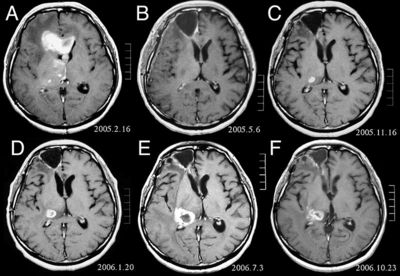
Work-up and diagnosis
By the time a patient sees the radiation oncologist the diagnosis of cancer has usually been made and the role for radiation is being considered.
Once the decision to proceed with radiation treatment has been made a treatment plan must be made. This is a complex process that involves many members of the radiation team and beings with a trip to the Simulator.
Radiation simulator
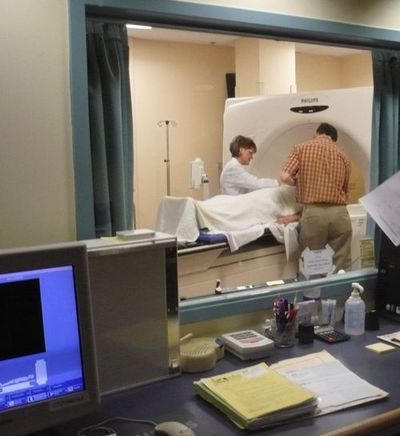
The simulator is a CT scanner with a bed similar to that of the radiation treatment bed and a computer interface with the radiation planning software.
This step in the process can be time consuming compared to the actual treatments. It can take anywhere from 15 minutes to more than an hour, particularly complex plans may require more than one trip to the simulator.
Markings of the treatment area are made with ink and, if required, small tattoos are place in the skin at this time. These are used to help with setting the patient up for subsequent treatments.
People receiving radiation to the head and neck will have a mask made prior to simulation. The mask ensures proper positioning, stillness and allows the
markings to be made on the mask rather than the face. The mask can be quite frightening to wear at first, especially for the claustrophobic or patients with airway compromise who are uncomfortable lying flat.
During the time in the simulator numerous measurements and images are taken.
Treatment plan
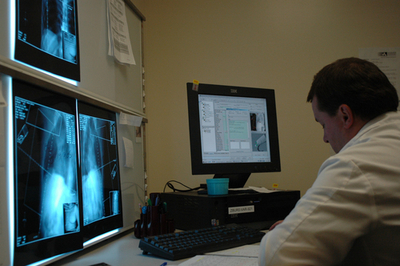
The radiation treatment plan is created using clinical information, the plain and CT images from the simulator and computer modeling. Dosimetrists, Medical Physicists and Radiation Oncologists are all involved in the creation and confirmation of the treatment plan. The plan is checked prior to each treatment by the Radiation Therapist.
Radiation plan
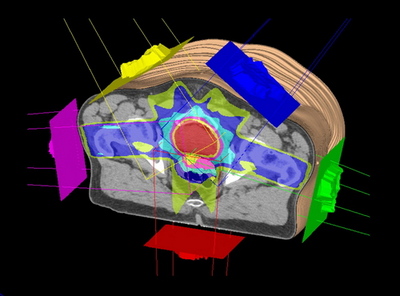
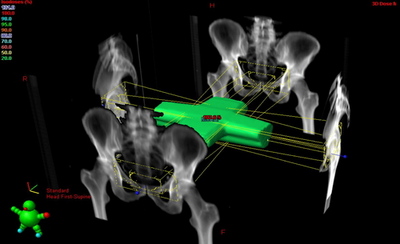
The Radiation Oncologist takes the images obtained by the Radiation Technologist during the simulation and delineates the tumour contours, safety margins and treatment area.
Dosimetry
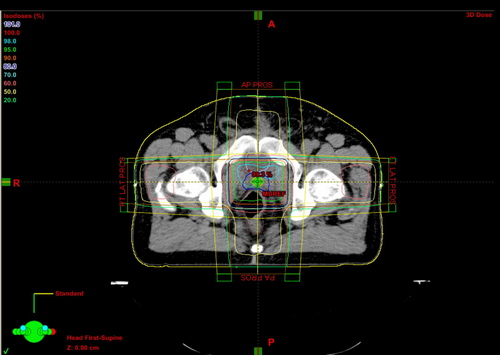
The Dosimetrists review the radiation plan from the Radiation Oncologist and design beam arrangements to maximize the treatment dose delivered to the tumour and sparing healthy tissue.
These plans are then reviewed by the Radiation Oncologist.
Medical physics
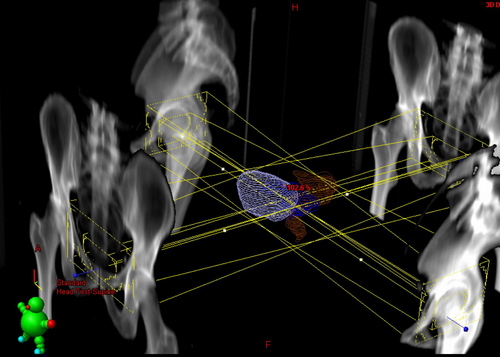
Medical physicists review the plan that has been created.
Treatment plan review/approval
The plan is then returned to the Radiation Oncologist for final approval.
Treatment delivery
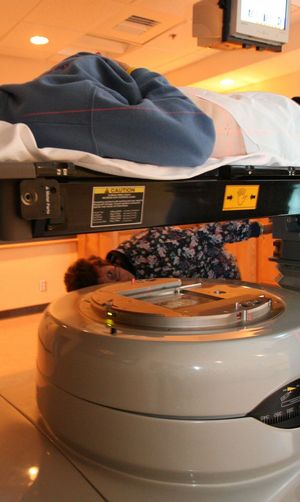
Radiation treatment is usually given on weekdays. In emergency situations (for example spinal cord compression) patients are treated on the weekend and during holidays. Patients can receive a single fraction of radiation as a palliative treatment for a painful metastasis or over many weeks for curative treatment.
Compared to the time for simulation actual treatment is very quick, often only 1 or 2 minutes. The bulk of the time for a patient’s appointment is used in achieving proper positioning for the treatment.
The treatment itself is painless.
In order to deliver the radiation and target the beam, the machine can rotate around the patient.
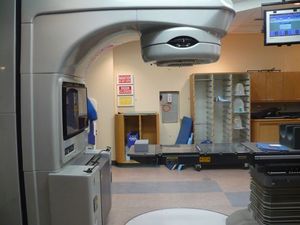
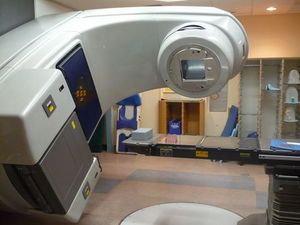

Treatment review/monitoring
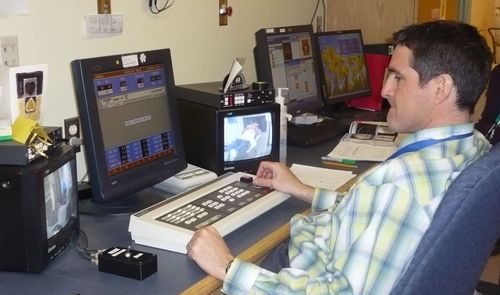
During treatment patients are monitored from outside the room on video and audio monitor, by a Radiation Therapist. Treatment can be halted at any time.
During radiation treatment patients are followed closely by Radiation Therapists and are seen weekly by the primary Nurse and Radiation Oncologist.
Side effects of radiation
The side effects of radiation depend on the location and nature of treatment and can very considerably from person to person. For example radiation to the lung can cause pneumonitis or fibrosis.
Side effects may occur early in the course of treatment, these tend to resolve over weeks or months. Late side effects can occur after months or years and are usually permanent.
Most common side effects:
fatigue (can increase as treatment progresses)
skin changes (red, itchy, flaky, hair loss, decrease in perspiration...)
nausea +/- vomiting (often 2-6 hours after treatment, can take antiemetic 1/2 - 1 hour prior to treatment)
anorexia
diarrhea (radiation enteritis can occur once treatment has been underway for a number of weeks)
Radiation causes reproductive cell death, therefore, the time of appearance of radiation injury is influenced by the growth characteristics of the tumour or tissue irradiated. Rapidly growing tumours (lymphoma show a quick response and slowly growing tumours (prostate) show slow regression. Likewise, rapidly proliferating normal tissue (mucosa) shows early reaction and slowly proliferating normal tissue (spinal cord) shows late reaction to treatment.
Radiation is carcinogenic.